Works Department
Headquartered at Cleveland House — Cleveland House, Speke Avenue, Braeside, Harare, Harare Province, 04-263, Zimbabwe
Overview & Mandate
General operations and functions of Works Department
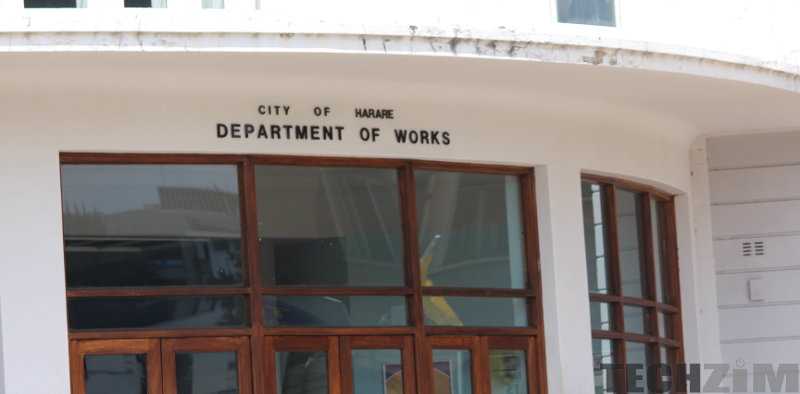
The Department of Works is currently headed by Engineer Karidza on acting capacity. The department is headquartered at Cleveland House. The department is a multi-disciplinary engineering arm for the Municipality of Harare responsible for the maintenance and upgrade of the City’s infrastructure.
Mission
Our mission is to provide world class engineering solutions for the Harare metropolis and beyond.
Values
Issues close to our hearts are Safety, Health, Environment and Quality (SHEQ). The Department is driven by being fair to all our employees and a high degree of communication across all levels.
Administration and Finance
The Division is responsible for the day-to-day management of the Department’s human, financial and asset resources and also to render secretarial and support services to the professional and technical arms of the department such as secretarial, typing, registry, library and public relations of the department.
The division has the following sections:
Personnel and Administration Section
This section is solely responsible for the staff establishment of the Department of Urban Planning Services including staff movements, staff training and development and termination of employment. The section also deals with Transport, Plant and Risk Management issues, this includes motor vehicle accidents, locomotion, public liability claims, injury on duty and all forms of risk.
Finance Section
The Finance Section is the nerve centre of the department and involves the following; it provides budgetary controls and procurement of assets, processes and authorizes of payments to creditors, prepares monthly reports on expenditure and income returns. The section also ensures that procurements of items and accessories are done in terms of financial regulation governing council operations.
The functions of this section can be summarised as follows:
- Preparation of revenue and capital budgets;
- Control of both revenue and capital budget provisions;
- Procure assets items in terms of financial regulations governing council operations;
- Write financial reports to council committee on Finance;
- Process creditors and contractors payments for City Treasury disbursements;
- Produce departmental financial management reports monthly;
- Manage and control department’s imprest petty cash account;
- Compile and submit to City Treasury annual stocks on hand for the department;
- Compile and submit monthly V.A.T. returns to City Treasury.
City Architecture
Functions of The Division
The City Architect’s division is the council regulatory arm on all building or construction of buildings matters. It deals with design and production of drawings and plans for all council buildings, produces bills of quantities, and schedule of materials and cost estimates for any new work, renovation or maintenance of buildings. The division also supervises construction of council buildings. It also receives and processes all building plans for approvals in accordance with building by-laws and carries out all construction stage inspections to ensure compliance with approved plans.
The Division is sub-divided into the following four functional Sections namely:
Architectural
The section is responsible for designs, working drawings and supervision of construction works on programmes.
Quantity Surveying
The section is responsible for cost control on council building projects, maintenance projects and reports to Council on same. The section also supervises contracted-out works.
Clerk of Works
The section is responsible for both quality and cost-control of project outputs especially on council and donor funded projects. The section also supervises on-site works for tendered out projects and council projects.
Building Inspectorate
The section is responsible for building plans approval and stage inspections and issuance of Certificates of Compliance.
City Environmental Technical Services
The City Environmental Technical Services section was established in 2006 after the transfer of water and sewerage functions to ZINWA in 2005. The section is highly involved in the regulatory functions of all engineering functions on water, sewer and laboratories of the city.
The section operates in two subsections:
Technical Engineering Services
The main functions of the section are to give technical advice on proposed developments by both private sector and municipality with regards to existing water and sewer infrastructure. The Section identifies potential for underground water, septic tanks provisions within the city and act as project engineers for all municipal works related to physical development of land. Engineering Technical Services provide technical backup to all estates development, on-site infrastructure supervision and cleaner environment management services within the City.
Environmental Regulatory Services
The environmental regulatory section of the Department of Urban Planning Services was created in January 2007 as a result of the restructuring and transformation of the City operations. It is responsible for environmental protection operations in the City in terms of the Environmental Management Act (CAP 20:27). It enforces environmental protection activities through inspections of industrial premises for the control of water, air and land pollution by recommending appropriate technology in mitigatory measures. The section also attends to accidental discharges to the environment from industry and road tanker liquid removals and put in place systems to reduce environmental damage or impact.
Functions/Key Result Areas of The Section
The section is responsible for the following functions:
- Crafting of local environment action plans for all areas under the City’s jurisdiction.
- Environmental monitoring.
- Provides technical advice on proposals for municipal and private sector in relation to water and sanitation requirements before a permit is granted or issued.
- Checks and approves water and sewer reticulation design drawings submitted by consultants, municipality and private developers.
- Plans, design drawings and monitors construction of water and sewer infrastructure.
- Issue and grant certificates of compliance on completion of infrastructure developments for water, sewer and environmental mitigate measures.
- Approve and grant Borehole applications and provide regulatory guidance on same within Harare City boundaries.
- Provide bills of quantities on all municipal constructed water and sewer infrastructure developments.
- Process building plans; town planning proposals on circulation and recommend for approval.
City Land Survey
The Land Survey Services carryout land surveys on municipal land, beacon relocation, boundary disputes resolution and keep property database for entire city. The City Land Survey division is headed by Mr Booker Masasi who is located at Cleveland House.
Functions of the Division
- The execution of cadastral, engineering, topographical and other types of surveys for the City of Harare;
- Maintenance and management of an up-to-date land information management system and infrastructure for the Greater Harare area, and;
- Researching and advising Council and stakeholders on matters relating to the survey, registration, transfer and other transactions on land.
City Planning and Development
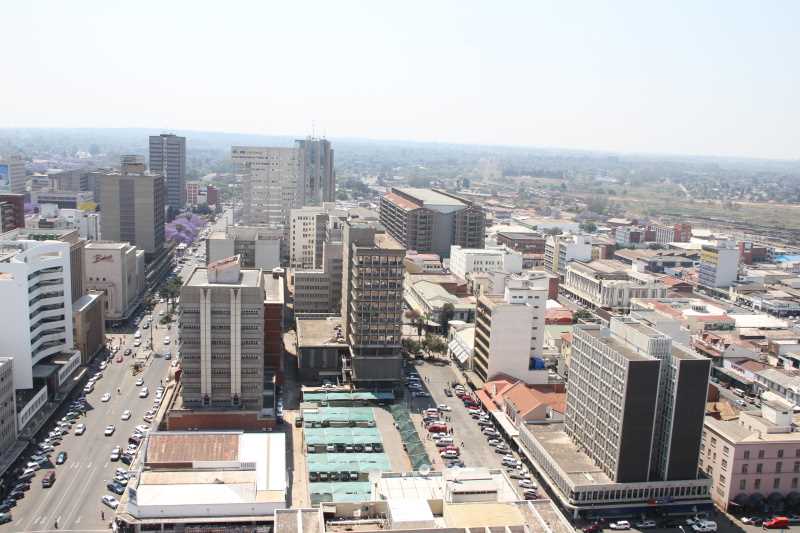
The division is located at Cleveland House. The Town Planning Services offers development permits and protection to our clients from bad neighbours through enforcement and development control procedures. These range from complaints on noise, illegal land uses, squatters and change of use advice.
Key Result Areas or Functions of the Division
Manages the City’s physical environment as dictated by the provisions of the RTCP Act and supportive statutory enactments.
Responsible for the preparation of statutory planning and development control documents and implementing the provisions of the same by facilitating, guiding, controlling, monitoring and enforcing developments and activities on land as envisioned in the provisions of the operative Master Plan, Local Plans Town Planning Schemes and policy prescriptions.
What is town planning?
It is the art and science of ordering the use of land to achieve the maximum practicable degree of economic; convenience, safety and health for a particular environment so as to safe guard the well being of the people. In simple terms it is the wise use of land for the benefit of the community.
What are Town Planning Statutes?
Town Planning is governed by the Regional, Town and Country and Planning Act Chapter 29:12 Revised Edition of 1996, (RTCP). This is an act of Parliament of Zimbabwe. The Harare Combination Master Plan, Local Plans, Town Planning Schemes and Regulations are other statutory documents that guide planning.
The City Town Planning and Development division comprises of two sections which are interlinked and interrelated. These are:
Research and Development Section
The section is the policy formulation arm of the Department and is responsible for crafting and formulating statutory and non-statutory policy proposals that guide and direct development on the land under Harare City’s area of jurisdiction. These include Harare Combination Master Plan, Local Plans and policy prescriptions. The statutes guide and direct development on the land under Harare’s area of jurisdiction.
Regional Planning Section
This is the key operating/implementing arm for all Town Planning regulations. Its operations relate to building plan approvals, processing subdivision and consolidation applications, change of use, change of reservations, special consent, shop licenses and issuing of permits. The Section’s activities are undertaken through three (3) spatial regions namely:
- Eastern Region
- Central Region
- Western Region
Procedure for Special Consent Applications
These are applications that under normal circumstances are not freely permitted but require a special consent/consideration of Council. The applications go through a definite processing procedure that require acknowledgment, advertising and neighbour notification before a report is prospered for consideration by the relevant Committee of Council. The elements of publicity and neighbour notification are to protect public and private interest through public participation.
The application consists of:
- Completed TPD1 form signed by the owner
- Certified copy of title deeds
- Town Planning report justifying the need for the proposal
- Floor plans of the house
- Site plan of the stand
- Application fees
Subdivision of private land Requirements
An application is made in terms of Section 40 of the RTCP Act. The Application consists of:
- Completed TPSCI form signed by the owner
- Certified copies of the title deeds
- One (1) sepia copy and 18 copies of the drawing depicting the subdivision.
- Letter of representation
- Application fees
Procedure for Application for Municipal Land
- An application is done through City Valuer and Estates Manager (CVEM) with a sketch diagram depicting abutting roads and stands attached.
- CVEM forwards the application to Town Planning (Regional Planning Section) if it is vacant Council land.
- Town Planning prepares plans for circulation purposes if agreeable to the proposal.
- Town Planning approves plans if circulation results are positive and proposal is temporary.
- Town Planning rejects plans if circulation results are negative.
- Decision in 4 and 5 above is communicated back to CVEM who then processes lease if positive and refuses if negative.
- If proposal is of a permanent nature, Section 49(3) of the Act is required and the following procedure commences.
- Report to Council
- If report is approved by Council, report is prospered to the Minister in terms of Section 205 of the Urban Council’s Act.
- If approved or refused, communicate decisions back to CVEM who then process purchase or refusal.
HARARE COMBINATION MASTER PLAN (HCMP) REVIEW
The City Planning and Development Division was in 2018 focusing on the review of the Harare Combination Master Plan (HCMP) which was long overdue. In terms of the Regional, Town and Country Planning Act [Chapter 29:12], a Master Plan is required to be reviewed after every 15 years. A review of the Master Plan presents opportunities to unlock and attract new foreign and local investment into the City of Harare and its surrounding sister local authorities.
Progress made
A Council resolution for the preparation of the masterplan was obtained in May 2018 and thereafter an inception Conference was held on 16 July 2018.The following thematic committees were established:
• Infrastructure
• Environment, Tourism
• Traffic and Transportation
• Housing, community services, social and recreational
• Industry, Commerce and Employment
• Statutory plans
• Administration and Finance
• Population
• Health
• Security and Miscellaneous (ZRP, Prisons, Army, Municipal Police) GIS/Maps
• An inception workshop for the thematic areas was successfully undertaken
• Questionnaires have been successfully designed and completed
2019 ACTION PLAN FOR THE COMPLETION OF THE MASTER PLAN
30/04/19: Draft Report of Study
30/06/19 : Draft Proposals and Written Statement
30/09/19.: Draft Harare Master Plan
LOCAL DEVELOPMENT PLANS PREPARED AND APPROVED IN 2018
Borrowdale LDP 32
Southern Areas LDP 31
Showgrounds LDP 42
Tynwald LDP 24
City Centre LDP 22
Borrowdale Racecourse LDP 44
Newlands LDP 27
NEW LOCAL DEVELOPMENT PLANS
Mbudzi
Mabelreign
University of Zimbabwe
Enterprise
City Traffic and Transportation Planning
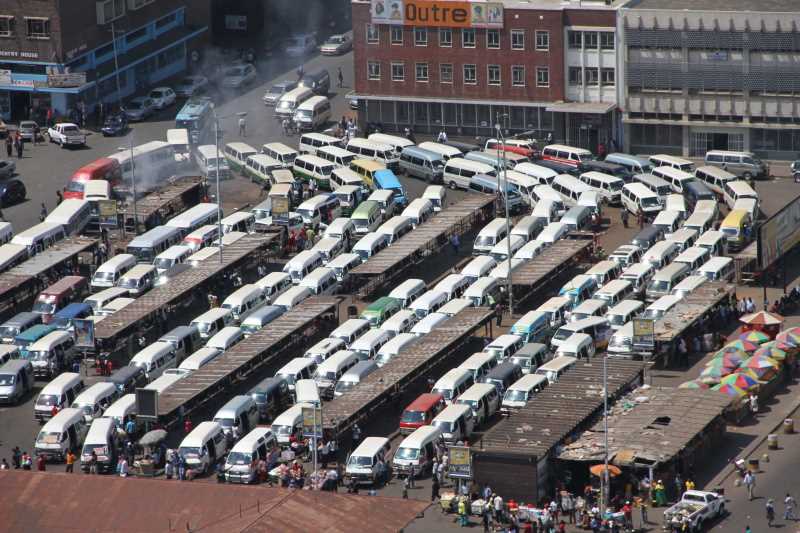
Traffic and Transport Planning Services processes permits for taxis operations, outdoor advertising and regulate traffic movements and parking of minibus-taxis and overally responsible for public transport provision within City of Harare. The Division is headed by Mrs Mujegu on acting capacity and they are located at Cleveland House.
Functions of the Division
- Ensure public safety, convenience and amenity through the development and implementation of effective traffic monitoring and control infrastructure.
- Planning and regulating the public transport system in the City of Harare.
- Management of outdoor advertising within the City's jurisdiction.
Mechanical and Electrical Workshops
The Division is based at Cleveland House and is headed by Engineer Norman Karidza. The functions of the Division are subdivided into the following sections:
Mechanical and Electrical Workshops
The Harare Municipal Workshops primarily serves internal customers in maintaining Council facilities, vehicles, plant and equipment and comprises of four specialized workshops namely:
- Automotive Workshops
- Central Mechanical Workshop
- Heavy Plant Workshop
- Electrical Plant Workshop
The workshops are the critical drivers of service delivery as they provide and/or maintain the various vehicles, machinery, plant, tools and equipment applied in service delivery.
The Department realises the need to decentralise operations to various districts and will always endeavour to maintain such (semi-) autonomous maintenance teams at selected districts to reduce response times. Currently, the Automotive Workshop has other maintenance teams at the Ammenities Depot, Harare Water and the Harare Fire Brigade.
Public Lighting
Lighting has always been an effective tool to promote a City’s ambience. It is not only a functional requirement, which provides safety and security to motorists and residents; it helps in creating an identity and image. A well-lit city is always a reassuring place for its residents and tourists to stay and move around. It has an economic benefit by way of attracting tourists and assuring its residents to stay out longer. The restaurateurs/shop owners, clubs and social areas are direct beneficiaries, which contribute positively to the overall economy of the City and the Country.
Currently there are 81 000 installed luminaires of which 45 000 units are serviceable and the rest, 36 000 units are either vandalized or are now obsolete and therefore require upgrading. At least 90 % of the poles are well erect though 85% require painting.
Traffic Signals
City of Harare Traffic Signalling System consists of a total of 186 controlled intersections and of these 140 (75%) of these are no longer fully functional. This has resulted in the system almost grinding to a halt with a number of signals failing on a daily basis without restoration due to unavailability of spares.
The City of Harare has since embarked on system upgrade on all signalised junctions and the central control station. The programme will on completion cover 68 junctions in the CBD which will be linked to a central control station and the rest of the junctions, 118 will be upgraded initially as stand-alone units.
The first phase of the Solar Traffic Signals Project (17 units) was completed in 2010 and has installed due to challenges with funding. The next stage being 51 units and a central control station.
Property Development
This is a section within the Department of Works located at Nenyere Building along Cameron Street near Mupedzanhamo market in Mbare.
Functions of The Section includes:
- Construction and maintenance of Council buildings and premises e.g schools, clinics, hospitals, offices, halls, stadia, residential houses, flats, markets, etc.
- Provision of drain laying services.
- Provision of electrical services to council premises.
Roads
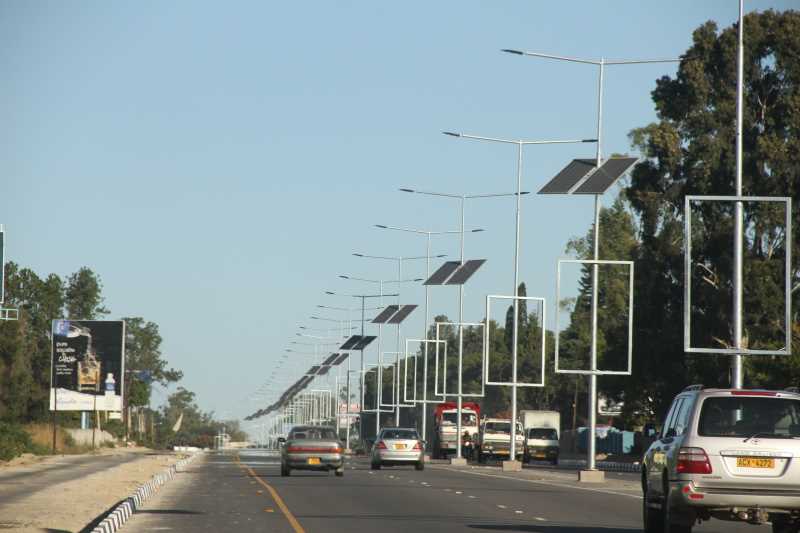
Harare, the capital city of Zimbabwe is a sprawling conglomerate, covering an area of 830km2. It has a population of approximately 1.6 million people (Projection of 2002 Population by Central Statistical Office (CSO)). About 800 000 vehicles ply its 4 000km road network daily. All this traffic is carried on the streets of Harare in the form of motorists and pedestrians. Administratively it is now part of the Harare Metropolis, which incorporates other municipalities of Chitungwiza, Ruwa, Norton and Epworth.
Harare is also the industrial and commercial hub of the nation. Besides being the city of governance, most companies, listed on the Zimbabwe Stock Exchange, have their headquarters here. Most of the major trunk roads to neighbouring SADC states originate from the Central Business District (CBD).
The heavy freight trucks plying these routes have created serious road infrastructure repair and maintenance challenges. The situation has been exacerbated by the decline, in real terms, of the capital and maintenance budgets during the past 15 years. For instance, no significant replacement of construction equipment has occurred since the 1994 World Bank Funded programme.
- The Division’s core functions are:
- Design and construction of roads, bridges, storm water drainage plus other associated infrastructure.
- Repair and maintenance of the roads infrastructure.
- Approval and monitoring of private sector initiated projects.
- Undertaking income generating projects.
- Seeking joint- venture partnerships to enhance service delivery.
Lack of capital funds has resulted in the erosion of the City’s internal capacity to undertake remedial action. Such corrective measures can come in any of the forms listed below, depending on the severity of the pavement distress:
- Complete pavement reconstruction;
- Partial reconstruction involving the strengthening of existing pavement layers, with or without stabilisation, before surfacing;
- Asphaltic or granular overlays;
- Surfacing rejuvenation (for example spray & chip surface dressing; slurry seal); and
- Improvement or provision of drainage facilities.
The Division is stepping up efforts in providing a pothole free road network. Efforts are being made to get funding from the corporate world as well as international donors and loans.
Waste Management
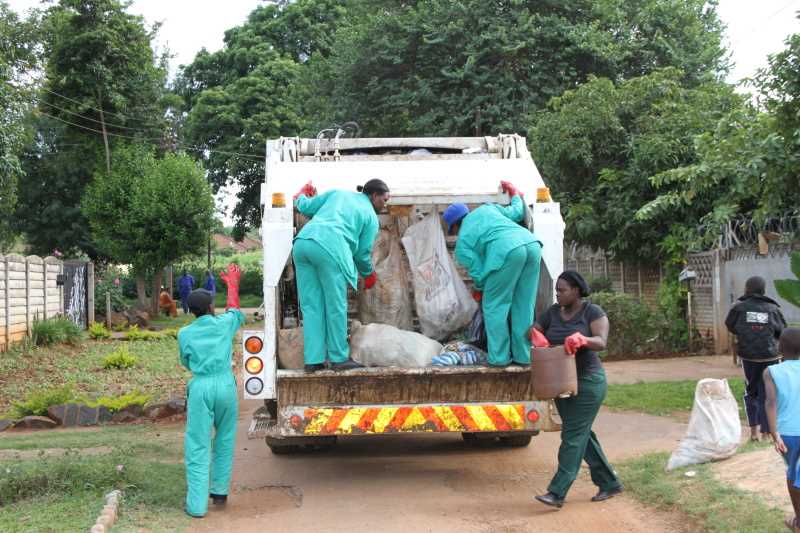
The division is stationed in the Graniteside area (kwaMugombi).
Functions of the Division are as follows:
- Waste Removal
- Collection, transportation and disposal of waste.
- Street Cleaning.
- Collection and disposal of medical and industrial Hazardous waste.
- Management of landfill sites.
- Provision of public conveniences.
- Provision of mobile or portable toilets.
- Incineration services for medical or clinical waste and other related material.
- Collection and disposal of dead animals.
- Clearing of illegally dumped refuse.
- Provision of skip bins.
- Excess refuse collection.
- Emptying of Septic Tanks.
- Issuing of permits for hazardous waste disposal.
- Issuing of permits on erection of posters.
Visual Location
Find us at Cleveland House